Wisdom Teeth

Expert wisdom tooth evaluation and removal, with guidance on ideal timing, referral-free evaluation, teleconsultation, and recovery support from early adolescence through adulthood.

Choose the wisdom teeth pathway that fits your schedule

Some patients want the fastest route. Others prefer a deeper conversation first. We’ll help you choose the approach that fits your referral, insurance timing, comfort level, and schedule.

Option 1

Teleconsult first

A surgical assistant reviews details by phone or video, collects insurance information, and helps you schedule during the call or through a link afterward.

Most convenient

Schedule teleconsult

Option 2

Meet the surgeon first

An in-person consult gives you time with the surgeon before choosing a surgery date. Some patients pre-schedule with a deposit to hold a preferred date.

More face-to-face guidance

Schedule consult

Option 3

Direct-to-surgery

The fastest route combines the exam, consult, and surgery on the same day. A deposit is typically required to reserve this appointment.

Fastest route

Schedule direct-to-surgery

A note about estimates and deposits

Pricing can shift slightly from year to year and varies by insurance, procedure complexity, sedation needs, and the number of teeth removed. Our team can discuss a planning estimate before insurance and provide a more complete estimate once benefits are reviewed. Deposits are commonly used when reserving a surgery date, especially for pre-scheduled or direct-to-surgery appointments.
Why an oral surgeon matters

Specialist training makes wisdom teeth removal safer.

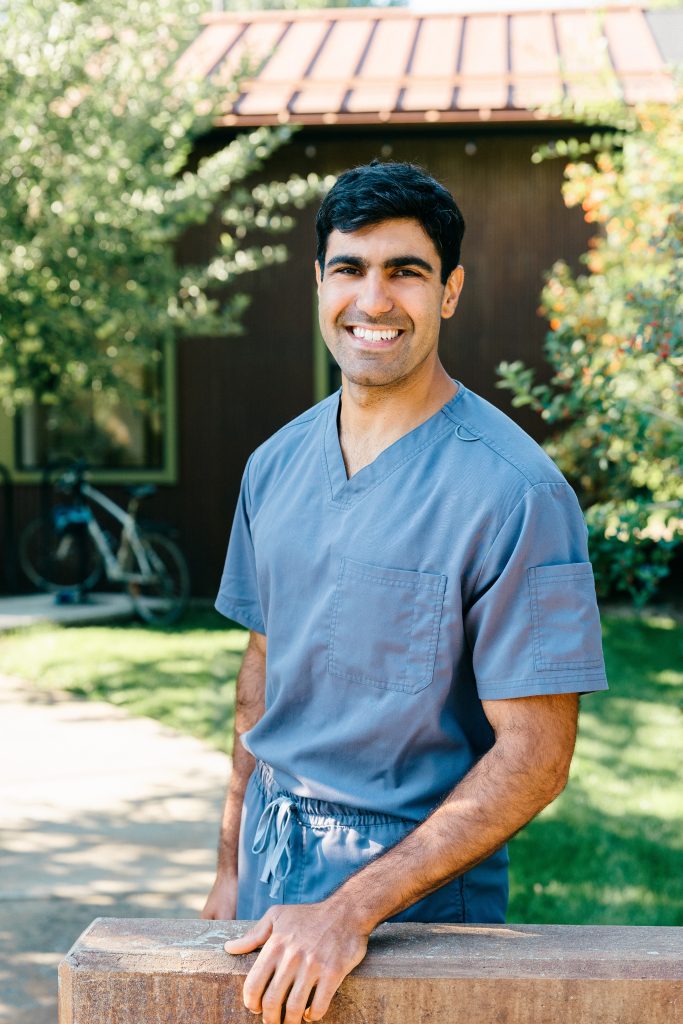
Wisdom teeth often sit close to nerves, sinuses, and neighboring teeth. Oral and maxillofacial surgeons are specialists in surgical anatomy, IV sedation, airway safety, imaging, and complication management — so the procedure is planned around both comfort and safety.

Surgical anatomy

IV sedation safety

Complication readiness

Meet our oral surgeons

Worried about opioids?

Review our opioid-conscious wisdom teeth approach.

For parents who want to minimize narcotic exposure, we explain how we generally avoid opioids during surgery and use a thoughtful recovery plan afterward.

Jump to opioid-free details

Anesthesiologist-supported care

Prefer physician anesthesiologist care for your child?

Some families want an anesthesiologist involved for added comfort and reassurance. Learn more about our Bend Anesthesiology Group partnership and how that option can support wisdom teeth care.

Learn about anesthesia support

Wisdom teeth planning

At Bluebird Oral Surgery, wisdom tooth removal is carefully planned around each patient’s anatomy and stage of development. Wisdom teeth are one of the signature procedures oral surgeons are known for, and we use thorough imaging, thoughtful timing, IV sedation options, and recovery techniques like PRF for select adult patients to make care as smooth as possible.

At Bluebird Oral Surgery, wisdom tooth removal is carefully planned around each patient’s anatomy and stage of development. Wisdom teeth are one of the signature procedures oral surgeons are known for, and we use thorough imaging, thoughtful timing, IV sedation options, and recovery techniques like PRF for select adult patients to make care as smooth as possible.

Wisdom teeth basics

Wisdom teeth are third molars that often develop when there is limited room in the jaw. Early evaluation helps identify whether teeth are impacted, angled toward neighboring teeth, or likely to create infection, crowding, cysts, or gum inflammation. Treatment planning typically considers the tooth position, root development, proximity to nerves and sinuses, and the patient’s comfort with anesthesia options. Recovery is usually guided by careful home care, swelling control, a soft diet, and follow-up instructions designed to protect the healing sockets.

Wisdom teeth are third molars that often develop when there is limited room in the jaw. Early evaluation helps identify whether teeth are impacted, angled toward neighboring teeth, or likely to create infection, crowding, cysts, or gum inflammation. Treatment planning typically considers the tooth position, root development, proximity to nerves and sinuses, and the patient’s comfort with anesthesia options. Recovery is usually guided by careful home care, swelling control, a soft diet, and follow-up instructions designed to protect the healing sockets.

Common patient questions

When should my child be evaluated for wisdom teeth?

Early evaluation can identify developing wisdom teeth before roots are fully formed. When appropriate, earlier treatment may reduce surgical complexity and help prevent future crowding, infection, or cyst formation.

Early evaluation can identify developing wisdom teeth before roots are fully formed. When appropriate, earlier treatment may reduce surgical complexity and help prevent future crowding, infection, or cyst formation.

Why are the teen years often the right time?

The teen years are a common time for wisdom tooth removal because the teeth are often developed enough to evaluate but not yet fully rooted. Treatment can help avoid inflammation, pain, and damage to adjacent molars.

The teen years are a common time for wisdom tooth removal because the teeth are often developed enough to evaluate but not yet fully rooted. Treatment can help avoid inflammation, pain, and damage to adjacent molars.

What changes when wisdom teeth are removed as an adult?

Adults may need wisdom tooth removal when partially erupted or impacted teeth cause pain, infection, decay, gum problems, or cystic changes. Imaging helps guide a safe plan around nearby nerves, sinuses, and bone.

Adults may need wisdom tooth removal when partially erupted or impacted teeth cause pain, infection, decay, gum problems, or cystic changes. Imaging helps guide a safe plan around nearby nerves, sinuses, and bone.

What else should patients know?

Along with dental implants, wisdom tooth removal is one of the main procedures oral surgeons are known for in the dental community. Timing, imaging, and recovery planning all make a difference.

Along with dental implants, wisdom tooth removal is one of the main procedures oral surgeons are known for in the dental community. Timing, imaging, and recovery planning all make a difference.

What is the ideal age window for evaluation?

The ideal time for wisdom tooth removal is often in the early teen years. Ages 13 to 15 can be an excellent window because the teeth can be evaluated before roots are fully developed.

The ideal time for wisdom tooth removal is often in the early teen years. Ages 13 to 15 can be an excellent window because the teeth can be evaluated before roots are fully developed.

Is recovery harder after age 25?

Wisdom tooth removal after age 25 can sometimes involve a more challenging recovery. For many 25+ patients, we use PRF, a technique that draws a small amount of the patient’s blood and concentrates growth factors to support healing.

Wisdom tooth removal after age 25 can sometimes involve a more challenging recovery. For many 25+ patients, we use PRF, a technique that draws a small amount of the patient’s blood and concentrates growth factors to support healing.

Do I need a referral?

Wisdom teeth are one procedure we can evaluate without a referral. Because we take the needed X-ray in our office, our surgeons can diagnose the problem and discuss treatment directly.

Wisdom teeth are one procedure we can evaluate without a referral. Because we take the needed X-ray in our office, our surgeons can diagnose the problem and discuss treatment directly.

How do you approach opioid use after surgery?

For parents concerned about opioid, or narcotic, use after surgery, we generally avoid opioids during surgery. Because our surgeons work efficiently, many patients only need the small prescription of 4–6 opioid tablets provided for pain control after surgery, if they need them at all.

For parents concerned about opioid, or narcotic, use after surgery, we generally avoid opioids during surgery. Because our surgeons work efficiently, many patients only need the small prescription of 4–6 opioid tablets provided for pain control after surgery, if they need them at all.

Can a teleconsult help us get started?

Our teleconsultation program is a convenient way for patients and parents to get information quickly. When appropriate, our goal is to help collect what we need and schedule during that same call. During the peak of COVID, we completed hundreds of teleconsults each month.

Our teleconsultation program is a convenient way for patients and parents to get information quickly. When appropriate, our goal is to help collect what we need and schedule during that same call. During the peak of COVID, we completed hundreds of teleconsults each month.

WHAT TO EXPECT

Thoughtful care at every step

Your visit is planned around clarity, comfort, and a recovery path that feels manageable before you ever sit in the chair.

Specialist-led planning

Treatment details are reviewed with the surgical team so timing, anesthesia, and next steps are clear.

Clear preparation

You’ll know what to bring, what to avoid, and how to plan your day around the procedure.

Guided recovery

Post-op instructions focus on comfort, swelling control, and knowing when to reach out.